
The cultural impact of casinos in modern society
The historical evolution of casinos
Casinos have a rich history that spans centuries, originating in ancient civilizations where games of chance were first played. The notion of gambling can be traced back to the Romans, Greeks, and even the Chinese, who engaged in various forms of betting. Over time, these early games evolved into the structured environments we now recognize as casinos, with the first official casino, the Casino di Venezia, established in 1638 in Italy. In the modern era, many players enjoy visiting reputable sites, including neosurf online casino australia, to explore exciting options.
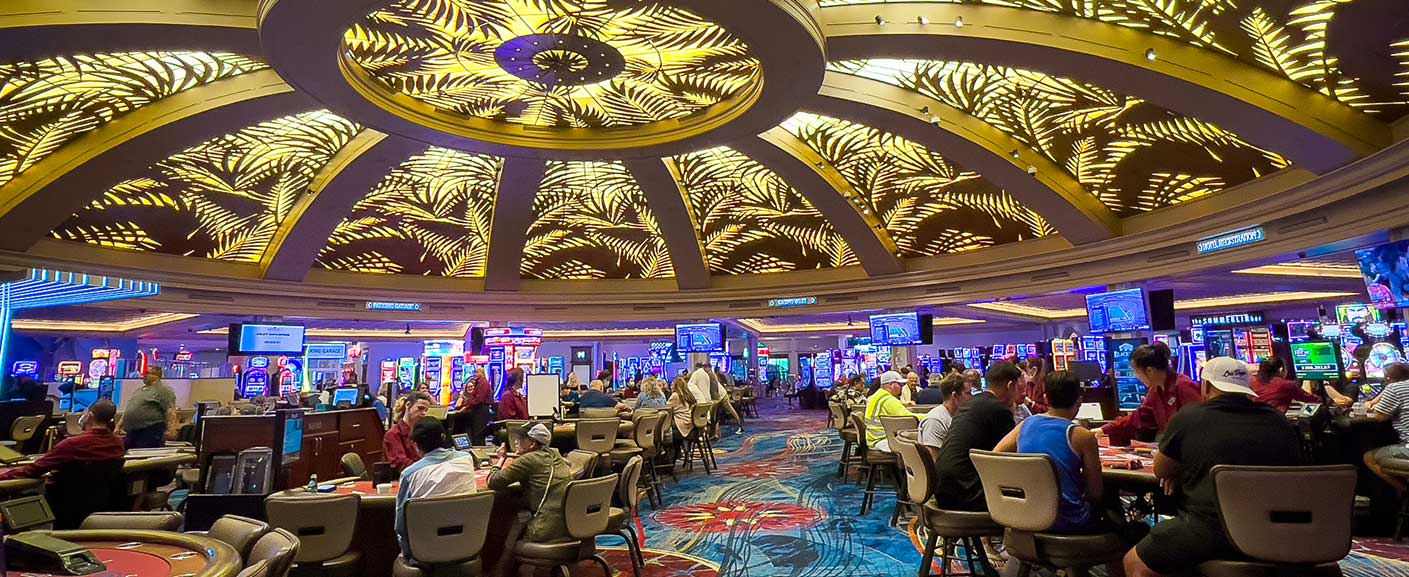
The modern casino as we know it today began taking shape in the 20th century, especially in the United States. Las Vegas emerged as the epicenter of gambling, transforming from a desolate desert town into a vibrant entertainment hub. This transformation was fueled by organized crime, legal reforms, and a growing public fascination with the glamour and excitement that casinos offered, shaping popular culture and leisure activities.
The economic significance of casinos
Casinos play a vital role in local and national economies. They generate significant revenue through taxes and job creation, with thousands of individuals employed in various capacities, from hospitality to gaming. This economic impact extends beyond the casinos themselves, benefiting surrounding businesses such as hotels, restaurants, and retail stores.
Moreover, casinos often fund local infrastructure and community projects, providing a source of income that can improve public services. The economic benefits of casinos can help revitalize struggling areas, creating a ripple effect that enhances overall community well-being and boosts tourism.
The social implications of gambling
The presence of casinos influences social dynamics in multiple ways. For many, casinos serve as social gathering places, offering entertainment and leisure options. They attract a diverse clientele, encouraging interaction among individuals from different backgrounds. This social interaction can foster a sense of community and shared experiences, particularly during events or promotions.
However, the social implications of gambling are not solely positive. While many individuals enjoy gambling responsibly, others may struggle with addiction and its associated consequences. This duality prompts discussions around responsible gaming practices, the need for support systems, and the role of casinos in promoting a healthy gambling culture.
Casinos in the digital age
With advancements in technology, the casino landscape has shifted dramatically. Online gambling has surged in popularity, allowing players to engage in casino games from the comfort of their homes. This digital transformation has expanded the reach of casinos, attracting a global audience and creating new avenues for revenue generation.
The rise of mobile applications and platforms has made gambling more accessible than ever, raising questions about regulation, security, and responsible gaming. As online casinos continue to grow, they significantly influence how gambling is perceived and experienced, changing the dynamics of traditional brick-and-mortar establishments.

Exploring online casinos and responsible gaming
In today’s digital era, the landscape of gambling has evolved with the introduction of online casinos. These platforms provide convenient access to a wide array of games while promoting responsible gambling practices. Many online casinos offer features that help players manage their gaming habits, such as deposit limits and self-exclusion options, aiming to create a safer environment.
As more players turn to online platforms, the importance of choosing reputable sites becomes paramount. It is essential to find online casinos that prioritize player protection and transparency, ensuring a secure and enjoyable gaming experience. By fostering a culture of responsible gaming, these platforms contribute positively to the broader gambling ecosystem.